Introduction to PCOS and Diabetes
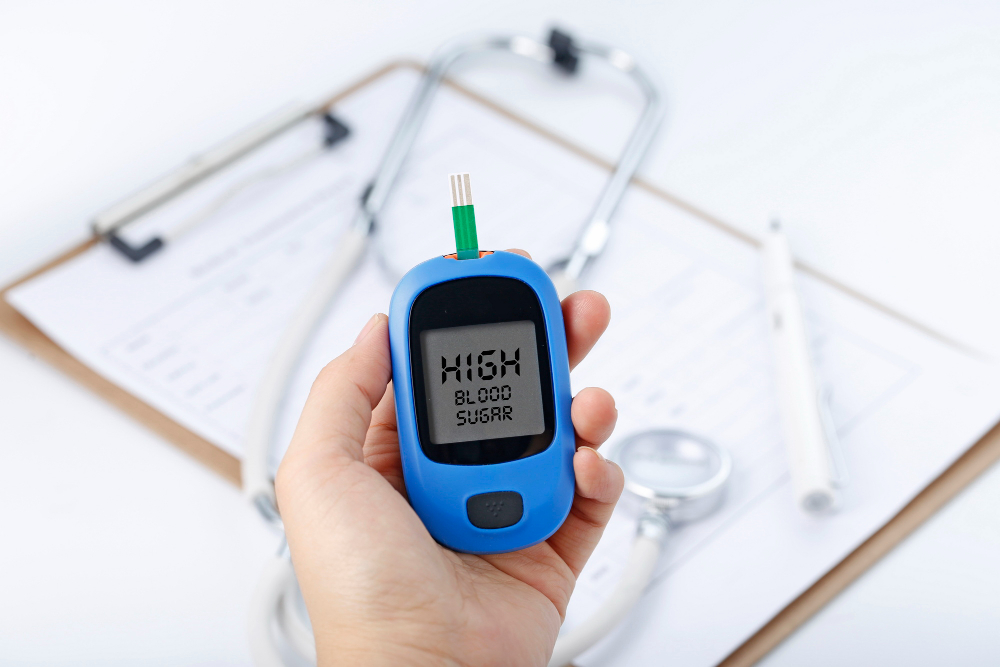
Polycystic Ovary Syndrome (PCOS) is a common health problem in women. It affects hormone levels and can cause irregular periods. Diabetes is a condition where the body has trouble controlling blood sugar. Many women with PCOS have a higher risk of developing diabetes. In fact, PCOS and Diabetes are closely linked because both involve problems with insulin, a hormone that controls blood sugar. According to the CDC, women with PCOS are more likely to develop type 2 diabetes than those without PCOS. Understanding this connection helps in early care and better health.
Common Symptoms of PCOS and Diabetes
Both PCOS and Diabetes can cause a range of symptoms. However, some signs may overlap. Knowing these symptoms can help you seek help early. For example, PCOS often causes changes in periods and skin. Diabetes may lead to tiredness and frequent urination. Here are some common symptoms:Irregular or missed periodsWeight gain, especially around the bellyIncreased hair growth on the face or bodyAcne or oily skinDark patches of skin, often on the neck or underarmsFeeling very thirsty or hungryNeeding to urinate oftenFeeling tired or weak
Sometimes, these symptoms may be mild. But if you notice several of them, it is wise to talk to a doctor.
Causes and Risk Factors Linking PCOS and Diabetes
Many women with PCOS have insulin resistance. This means their bodies do not use insulin well. As a result, blood sugar levels can rise. Over time, this can lead to type 2 diabetes. In addition, being overweight or having a family history of diabetes increases the risk. The World Health Organization notes that lifestyle and genetics both play a role. Here are some key risk factors:Family history of PCOS or diabetesBeing overweight or obeseUnhealthy eating habitsLack of physical activityHigh stress levels
Because these risks add up, it is important to watch for early signs and make healthy choices.
Diagnosis: How Both Conditions Are Identified
Doctors use several steps to diagnose PCOS and Diabetes. First, they ask about your symptoms and family history. Next, they may do a physical exam. Blood tests are common. For PCOS, doctors check hormone levels and may use an ultrasound to look at the ovaries. For diabetes, a blood sugar test is used. Sometimes, doctors check for insulin resistance as well. Early diagnosis helps prevent long-term problems. If you have symptoms of either condition, see your healthcare provider for proper testing.
Treatment and Management Options
Managing PCOS and Diabetes often involves both medical care and lifestyle changes. Doctors may suggest medicines to control blood sugar or balance hormones. However, healthy habits are just as important. Here are some common management steps:Eating a balanced diet with whole grains, fruits, and vegetablesExercising regularly, such as walking or swimmingLosing weight if neededTaking medicines as prescribedManaging stress through relaxation or support groups
With the right plan, many women can control both PCOS and Diabetes well. Regular check-ups help track progress and adjust treatment if needed.
Prevention Tips and Healthy Lifestyle Guidance
While you cannot change your genes, you can lower your risk of PCOS and Diabetes. Simple lifestyle changes make a big difference. For example, eating healthy foods helps control weight and blood sugar. Staying active keeps your body strong. Here are some tips:Choose fresh fruits and vegetables every dayLimit sugary drinks and snacksStay active for at least 30 minutes most daysGet enough sleep each nightManage stress with hobbies or talking to friends
Even small changes can help. Over time, these habits support better health and lower your risk.
When to Consult a Healthcare Professional
If you notice symptoms of PCOS or Diabetes, do not wait. Early care can prevent serious problems. You should see a doctor if you have:Irregular periods or missed cyclesUnusual hair growth or skin changesFrequent thirst, hunger, or urinationUnexplained weight gainFamily history of PCOS or diabetes
Remember, regular check-ups help catch problems early. Your doctor can guide you on the best steps for your health.
Conclusion
PCOS and Diabetes are closely linked, but you can take steps to manage both. With early diagnosis and healthy habits, many women lead full, active lives. Consult Dr. Narasimha Reddy for personalized advice on PCOS and Diabetes.