Hypoglycemia, also known as low blood sugar, is a common but often neglected health issue. Many people do not notice the early signs of low blood sugar. As a result, hypoglycemia can become dangerous if left untreated. Knowing the hypoglycemia symptoms, causes, and ways of preventing hypoglycemia is important for everyone, especially those with diabetes. In this blog, you will learn about managing low blood sugar and why it deserves more attention.
What is Hypoglycemia?
Hypoglycemia means your blood sugar level drops below normal. Usually, this happens when the body does not have enough sugar to use for energy. For most people, blood sugar below 70 mg/dL is considered low. However, the exact number may vary for each person. People with diabetes are more likely to experience hypoglycemia, but it can affect others too.
Common Symptoms of Hypoglycemia
Recognizing the signs of low blood sugar early can help prevent serious problems. Some symptoms may appear quickly. Others may be mild at first but get worse over time. Watch for these common hypoglycemia symptoms:Shakiness or tremblingFeeling very hungrySudden sweatingFast heartbeatDizziness or lightheadednessConfusion or trouble focusingHeadacheIrritability or mood changesBlurred visionWeakness or tiredness
Sometimes, symptoms can be so mild that you may not notice them. Therefore, it is important to check your blood sugar if you feel unwell.
Causes and Risk Factors
There are many reasons why hypoglycemia can happen. Some of the main causes include:Taking too much insulin or diabetes medicineSkipping or delaying mealsEating less than usualExercising more than normalDrinking alcohol, especially on an empty stomach
People at higher risk include those with diabetes, especially if they use insulin. However, children, older adults, and people with certain health conditions may also be at risk.
Diagnosis of Hypoglycemia
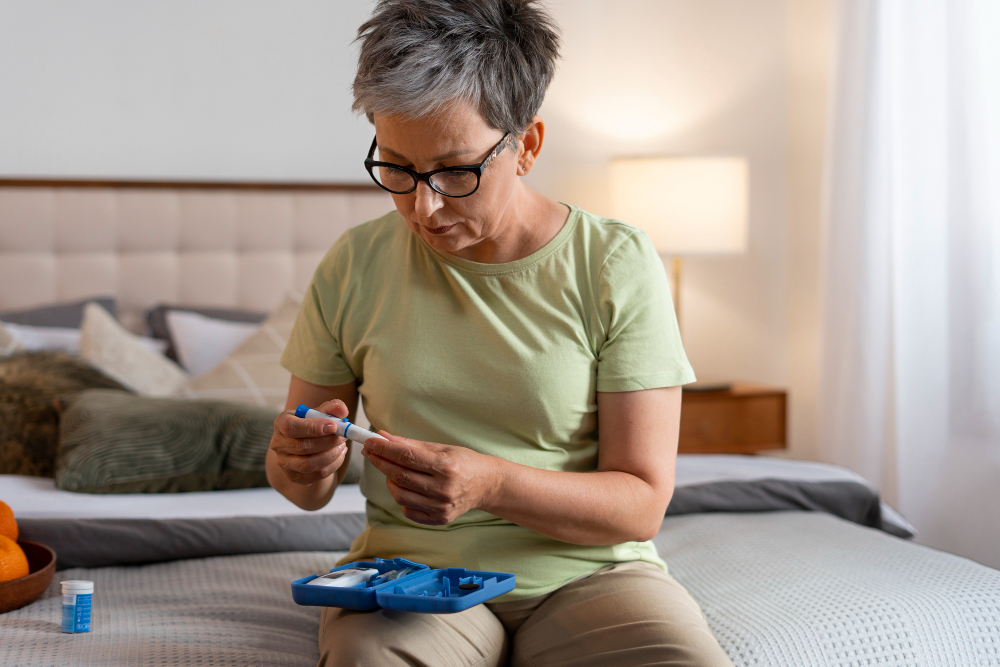
Doctors diagnose hypoglycemia by checking your blood sugar level. Usually, a simple finger-prick test is enough. Sometimes, your doctor may ask about your symptoms and medical history. In some cases, you may need more tests to find the cause. According to the CDC, it is important to track your symptoms and blood sugar readings.
Treatment and Immediate Actions
If you think you have low blood sugar, act quickly. Here is what you should do:Check your blood sugar if possible.If it is below 70 mg/dL, eat or drink 15 grams of fast-acting sugar. For example:4 glucose tablets1/2 cup of regular juice or soda1 tablespoon of sugar or honeyWait 15 minutes, then check your blood sugar again.If it is still low, repeat the steps above.
After your blood sugar returns to normal, eat a small snack if your next meal is more than an hour away. If you cannot swallow or feel very confused, seek medical help right away.
Prevention and Lifestyle Tips
Preventing hypoglycemia is possible with a few simple steps. Here are some tips for managing low blood sugar:Eat regular meals and snacksDo not skip mealsMonitor your blood sugar as advised by your doctorCarry a quick source of sugar with youAdjust your medicine if you plan to exercise moreLimit alcohol and never drink on an empty stomachWear a medical ID if you have diabetes
Additionally, talk to your healthcare provider about your risk and how to prevent episodes.
Why Hypoglycemia is Often Neglected
Many people overlook hypoglycemia because its symptoms can be mild or mistaken for other problems. Sometimes, people with diabetes focus more on high blood sugar and forget about the risks of low blood sugar. Also, not everyone knows the signs of low blood sugar. As a result, hypoglycemia can go untreated and lead to serious health issues. Raising awareness and learning about hypoglycemia is important for everyone.
Conclusion
In summary, hypoglycemia is a common but often neglected health problem. Knowing the signs of low blood sugar, understanding the causes, and taking steps to prevent it can keep you safe. If you have symptoms or concerns, consult a healthcare professional at Dr. Narasimha Reddy for personalized advice on hypoglycemia.