
Introduction
Constipation in children is a common problem that worries many parents and caregivers. Often, children may have trouble passing stools or may not go to the bathroom as often as usual. While this can be stressful, most cases are not serious. However, knowing the signs and how to help your child is important. In this blog, we will explain what causes constipation in children, how to spot symptoms, and what you can do to help.
What is Constipation in Children?
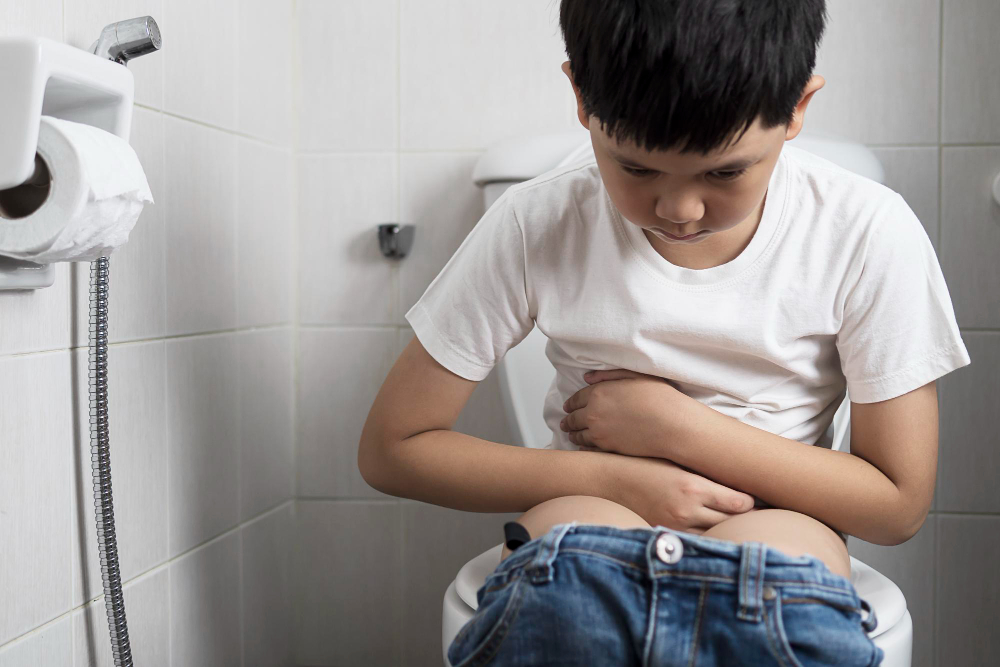
Constipation in children means having fewer bowel movements than normal or having hard, dry stools that are difficult to pass. Usually, children should have at least three bowel movements per week. However, some children may go less often. For example, if your child strains or feels pain while passing stool, this could be a sign of constipation. In most cases, constipation is temporary and can be managed at home.
Common Causes of Constipation in Children
There are many reasons why children may become constipated. Understanding these causes can help you prevent and manage the problem. Some common causes include:Low fiber diet: Eating too few fruits, vegetables, and whole grains can slow down digestion.Not drinking enough water: Dehydration can make stools hard and difficult to pass.Ignoring the urge: Sometimes, children avoid going to the bathroom, especially if they are busy or feel embarrassed.Changes in routine: Starting school, traveling, or stress can affect bowel habits.Medications: Some medicines can cause constipation as a side effect.Medical conditions: Rarely, problems like thyroid issues or nerve disorders can lead to constipation.
Because many factors can play a role, it is important to watch your child’s habits closely.
Recognizing Symptoms of Childhood Constipation
Spotting the signs of constipation in kids early can help prevent discomfort. Common symptoms include:Fewer than three bowel movements per weekHard, dry, or lumpy stoolsStraining or pain during bowel movementsStomach pain or bloatingSmall amounts of liquid stool in underwear (soiling)Loss of appetite or feeling full quickly
Additionally, some children may avoid the bathroom or show signs of discomfort. If you notice these signs of constipation in kids, early action can help.
How is Constipation Diagnosed in Children?
Doctors usually diagnose constipation in children by asking about symptoms and bowel habits. They may also do a physical exam. In some cases, the doctor may ask about your child’s diet, daily routine, and any medicines they take. Rarely, tests like X-rays or blood tests are needed to rule out other problems. However, most children do not need special tests. If your child has severe pain, blood in the stool, or weight loss, see a pediatrician for constipation right away.
Effective Treatment Options for Children
Treating constipation at home is often possible. However, some children may need help from a doctor. Common treatment options include:Diet changes: Adding more fiber-rich foods like fruits, vegetables, and whole grainsDrinking more water: Keeping your child well-hydratedRegular bathroom times: Encouraging your child to use the toilet after mealsPhysical activity: Daily exercise helps keep the bowels movingMedicines: Sometimes, doctors may suggest stool softeners or mild laxatives for a short time
Always follow your doctor’s advice before giving any medicine to your child.
Home Remedies and Lifestyle Tips
There are many childhood constipation remedies you can try at home. For example, you can:Offer high-fiber snacks like apples, pears, or carrotsEncourage your child to drink water throughout the daySet a regular toilet routine, especially after mealsMake bathroom visits relaxed and stress-freeReward your child for healthy bathroom habits
However, avoid using harsh laxatives or enemas unless your doctor recommends them. With simple changes, many children feel better quickly.
Preventing Constipation in Children
Prevention is often easier than treatment. To help prevent constipation in children, try these tips:Serve plenty of fruits, vegetables, and whole grainsEncourage your child to drink enough water every dayPromote regular physical activity, like playing outsideTeach your child not to ignore the urge to go to the bathroomKeep a calm and supportive environment around bathroom time
By making these habits part of your child’s daily routine, you can reduce the risk of constipation.
Conclusion
Constipation in children is common but usually not serious. With the right care, most children recover quickly. However, if your child is experiencing constipation, consult Dr. Narasimha Reddy for personalized advice. Early help can prevent problems and keep your child healthy.